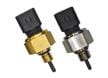
PS1-NO2-2-MOD

Amphenol SGX Sensortech
523-PS1NO22MOD
PS1-NO2-2-MOD

Mfr.:

คำอธิบาย:
Multiple Function Sensor Modules PS1 Series Solid Polymer Gas Sensor Module Nitrogen Dioxide 2ppm - UART

โมเดล ECAD:
ดาวน์โหลด Library Loader ได้ฟรีเพื่อแปลงไฟล์นี้สำหรับเครื่องมือ ECAD ของคุณ เรียนรู้เพิ่มเติมเกี่ยวกับโมเดล ECAD

มีอยู่ในสต็อก: 1

สต็อก:
1 สามารถจัดส่งได้ทันที
ระยะเวลารอสินค้าจากโรงงาน:
7 สัปดาห์ เวลาการผลิตของโรงงานโดยประมาณสำหรับปริมาณที่มากกว่าที่แสดงไว้
จำนวนขั้นต่ำ: 1   หลายรายการ: 1
หน่วยราคา:
฿-.--
ต่อ ราคา:
฿-.--
โดยประมาณ ภาษีศุลกากร:
ผลิตภัณฑ์นี้จัดส่งฟรี

การตั้งราคา (THB)

จำนวน หน่วยราคา
ต่อ ราคา
฿8,101.28 ฿8,101.28
฿7,669.68 ฿76,696.80
฿7,563.08 ฿189,077.00
฿7,501.33 ฿375,066.50
100 เสนอราคา

แอตทริบิวต์ผลิตภัณฑ์ ค่าแอตทริบิวต์ เลือกแอตทริบิวต์
Amphenol
ประเภทสินค้า: อุปกรณ์เซนเซอร์หลายหน้าที่
มาตรฐาน RoHS:  
เครื่องหมายการค้า: Amphenol SGX Sensortech
ประเภทสินค้า: Multiple Function Sensor Modules
จำนวนต่อหีบห่อที่ผลิตจากโรงงาน: 1
หมวดหมู่ย่อย: Sensor Modules
ผลิตภัณฑ์ที่พบ:
เลือกกล่องทำเครื่องหมายอย่างน้อยหนึ่งรายการเพื่อแสดงผลิตภัณฑ์ที่คล้ายกัน
เลือกกล่องทำเครื่องหมายด้านบนอย่างน้อยหนึ่งรายการเพื่อแสดงผลิตภัณฑ์ที่คล้ายกันในหมวดหมู่นี้
แอตทริบิวต์ที่เลือก: 0

CAHTS:
9027100010
USHTS:
9027102000
JPHTS:
902710000
KRHTS:
9027100000
MXHTS:
9027100100
BRHTS:
90271000
ECCN:
EAR99

Solid Polymer Electrochemical Gas Sensors

Amphenol SGX Sensortech Solid Polymer Electrochemical Gas Sensors are designed to detect a wide range of gases, including carbon monoxide, chlorine, and volatile organic compounds (VOCs), as well as humidity and particulates. These sensors are based on the principle of electrochemical catalytic reaction. The sensor responds to the target gas and delivers a very small current proportional to the gas concentration. The series utilizes a dry core design featuring three electrodes in contact with the solid electrochemical material. A typical electrode consists of a surface area of precious metal and other materials. The electrode, electrochemical cell, and surrounding air are in contact, allowing the gas to diffuse through the porous membrane into the sensor's working electrode. At this working electrode, the gas is oxidized or reduced.